11/20/2026 – Життя Святих / Lives of the Saints
Прп. Йосафати Гордашевської
Передсвяття Введення у храм Пресвятої Богородиці
Прп. Григорія Декаполіта
Св. Прокла, архиєп. Царгородського
Blessed Josaphata Hordashevska
Forefeast of the Entry into the Temple of the Most Holy Theotokos
Venerable Gregory the Decapolite
Saint Proclus, Archbishop of Constantinople
The Synaxarion (Lives of the Saints):
Blessed Josaphata Hordashevska (1869–1919)
Josaphata Hordashevska was born into a poor family in Lviv in 1869. From childhood, she showed deep faith and a desire to serve God. At eighteen, she made a retreat under the guidance of Father Jeremiah Lomnytskyi, OSBM, who became her spiritual director.
In 1892, with Fathers Lomnytskyi and Kyrylo Seletskyi, she founded the Congregation of the Sisters Servants of Mary Immaculate, the first women’s congregation in the Byzantine-Ukrainian tradition devoted to active apostolic work.
Josaphata wanted the Sisters to bring spiritual and practical help to the poor and neglected. They cared for the sick, opened children’s shelters, taught catechism, maintained village churches, and prepared priestly vestments. She also gathered medicinal herbs and made remedies for the sick. Later, the Sisters received nursing training. Villagers affectionately called her “our good sister-doctor.”
Within ten years, the Congregation had 123 Sisters in 23 houses, with missions in Canada, Croatia, and Brazil. Today, the Sisters serve in 16 countries. Josaphata’s holiness was expressed through daily service and love of God and neighbor. She died on April 7, 1919. Her life remains an example of Gospel compassion, solidarity, and humble service to those in need.
Forefeast of the Entry of the Most Holy Theotokos into the Temple
The Forefeast prepares the faithful for the celebration of the Entry of the Most Holy Theotokos into the Temple through special hymns recalling the event.
According to Tradition, Joachim and Anna promised to dedicate their child to God. When Mary was three, they brought her to the Temple in Jerusalem with candles and the singing of psalms. Psalm 44(45) is understood as foreshadowing her joyful entrance into the King’s temple.
The priests welcomed Mary, and the High Priest Zachariah received her. Tradition says she climbed the fifteen steps by herself and was led into the Holy of Holies, the Temple’s most sacred place, where only the high priest could enter once a year. Mary remained there until she was twelve and was betrothed to Joseph. Her entrance foreshadowed her calling to become the living temple of God, carrying the Savior of the world.
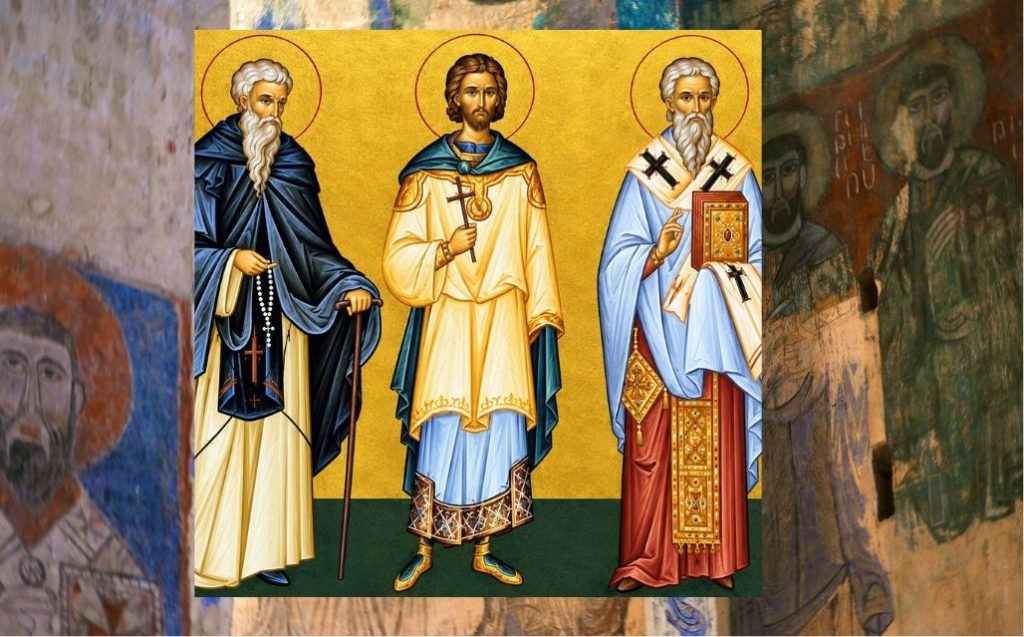
Venerable Gregory the Decapolite
Saint Gregory was born in the eighth century in Decapolis, Isauria. From childhood, he loved prayer, church services, and Scripture. To avoid a marriage arranged by his parents, he left home and lived as a wandering ascetic, traveling to Constantinople, Rome, and Corinth, and spending time on Mount Olympus.
Gregory preached the Gospel, opposed the Iconoclast heresy, and strengthened Christians suffering persecution. Through prayer and ascetic discipline, he received the gifts of prophecy and wonderworking and was blessed to hear the angels praising the Holy Trinity.
After many years at the monastery of Saint Menas near Thessaloniki, he returned to Constantinople to defend the veneration of icons. A serious illness weakened him, and he reposed in 816. Many miracles occurred at his tomb. His relics were eventually brought to Wallachia. In 1498, Barbu Craiovescu placed them in the Dormition Monastery at Bistrița, near Râmnicu Vâlcea, Romania, where they remain today.
Saint Proclus, Archbishop of Constantinople
Saint Proclus devoted his youth to prayer and Scripture. He became a disciple of Saint John Chrysostom, who ordained him deacon and later priest. From him, Proclus gained deep knowledge of Scripture and skill in preaching.
After Chrysostom’s exile and death, Patriarch Sisinius consecrated Proclus Bishop of Kyzikos. Rejected there under Nestorian influence, he returned to Constantinople and preached against heresy. In a sermon before Nestorius, he boldly defended the title “Theotokos” for the Virgin Mary.
In 434, Proclus became Archbishop of Constantinople, serving for twelve years. He arranged the return of Saint John Chrysostom’s relics from Comana to Constantinople during the reign of Emperor Theodosius II.
During his episcopate, devastating earthquakes struck the empire. The people of Constantinople gathered in prayer, led by the patriarch and emperor. Tradition relates that a child was lifted into the air and heard angels singing, “Holy God, Holy Mighty, Holy Immortal.” Returned unharmed, the child told the people what he had heard. They joined in the Trisagion, adding, “Have mercy on us!” The earthquakes then ceased. This prayer remains part of the Church’s worship.
Proclus was loved for his ascetic life, care for the poor, and preaching. His surviving works include sermons against Nestorianism, writings in praise of the Mother of God, and teachings on the Nativity that affirm the Church’s faith in the Incarnation.