11/12/2026 – Життя Святих / Lives of the Saints
Св. сщмч. Йосафата, архиєп. Полоцького
Св. Івана Милостивого, патр. Олександрійського
Прп. Ніла
Блаж. сщмч. Григорія Лакоти, єп.
St. Josaphat Kuntsevych — Martyr for the Unity of the Church
Saint John the Merciful, Patriarch of Alexandria
Venerable Neilos the Ascetic of Sinai
The Synaxarion (Lives of the Saints):
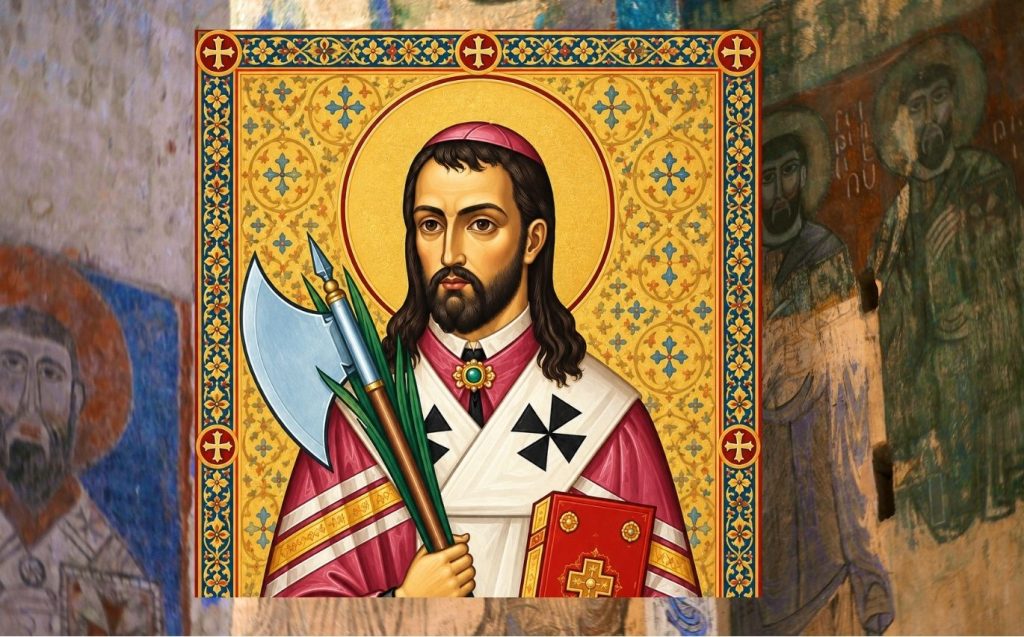
Saint Josaphat Kuntsevych, Martyr for the Unity of the Church
Saint Josaphat Kuntsevych was born around 1580 in Volodymyr, Volhynia. Drawn to prayer and monastic life, he entered the Monastery of the Holy Trinity in Vilnius and joined the Order of Saint Basil the Great.
A devoted monk, preacher, and reformer, Josaphat became a strong defender of the Union of Brest of 1596. Working closely with Metropolitan Yosyf Rutsky, he helped renew the Basilian monastic order and strengthen its spiritual discipline and pastoral mission.
Later appointed Archbishop of Polotsk, Saint Josaphat worked tirelessly for the unity of the Church. However, religious tensions and opposition to the Union of Brest created deep divisions within society. On November 12, 1623, while visiting Vitebsk, he was attacked and killed by an angry mob. His body was thrown into the Western Dvina River but was later recovered by the faithful.
Saint Josaphat was beatified in 1643 and canonized by Pope Pius IX in 1867. His relics were eventually transferred to Rome and are venerated in Saint Peter’s Basilica. He remains one of the most beloved saints of the Ukrainian Greek Catholic Church, a patron of the Basilian Order, and a witness to Christ’s call for unity.
Saint John the Merciful, Patriarch of Alexandria
Saint John the Merciful was born in Cyprus in the sixth century. After the death of his wife and children, he embraced monastic life, devoting himself to prayer, fasting, and charity. Because of his holiness, he was chosen as Patriarch of Alexandria.
His greatest concern was caring for the poor and suffering. He ordered a list of the needy to be prepared and provided daily assistance to thousands of people from the Church’s treasury. He regularly welcomed those seeking help, settled disputes, visited the sick, and gave generously to those in need. During the Persian invasion of Jerusalem, he also used Church funds to ransom captives.
Saint John never wished to turn anyone away. When a beggar repeatedly asked him for money, he continued giving, saying that perhaps Christ was testing his generosity. He also taught forgiveness through his own example. When a clergyman offended him, the saint knelt before him and asked forgiveness, inspiring the man to repent.
When his nephew asked him to punish someone who had insulted him, Saint John instead showed kindness to the offender by excusing his rent for a year. Through such acts, he taught humility, mercy, and forgiveness.
Saint John reposed peacefully in the Lord around 616–620 while traveling to Cyprus. He is remembered as a model of Christian charity and compassion.
Saint Neilos the Ascetic of Sinai
Saint Neilos lived in the fifth century and was a disciple of Saint John Chrysostom. After receiving an excellent education, he became a prefect in Constantinople and married, having children. However, he and his wife eventually chose to abandon worldly life and embrace monasticism.
His wife and daughter entered a women’s monastery in Egypt, while Neilos and his son Theodoulos went to Mount Sinai. There they lived in a cave they had made themselves, devoting many years to fasting, prayer, and spiritual struggle.
Saint Neilos became widely respected for his wisdom. People from all walks of life sought his counsel and comfort. He also wrote numerous spiritual works that continue to guide Christians in the pursuit of holiness.
During their life in the wilderness, Saint Neilos’s son was captured by raiders but was later rescued through God’s providence. Both father and son were eventually ordained priests and returned to Sinai to continue their ascetic life together.
Saint Neilos’s relics were later transferred to Constantinople, where they were placed in the Church of the Holy Apostles. He is remembered for his profound spiritual writings and dedication to prayer.
Blessed Hryhorii Lakota, Bishop and Martyr
Blessed Hryhorii Lakota was a Ukrainian bishop of the Ukrainian Greek Catholic Church, which is in full communion with Rome. During the communist persecution, he was imprisoned for his faith.
Even amid the harsh conditions of the prison camp, he remained humble and compassionate, doing what he could to ease the suffering of other prisoners. His kindness and selflessness earned him the name “an angel in a human body.”
Blessed Hryhorii died in a prison hospital in 1950. He is honored as a bishop and martyr who remained faithful to Christ and served others with love even in the face of persecution.